
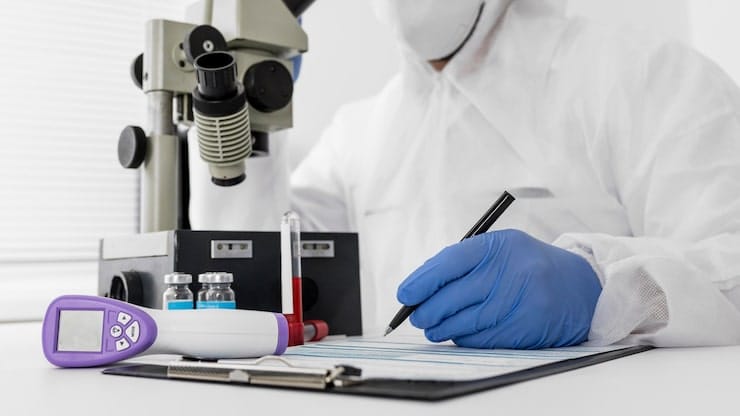
Most peptide projects do not get derailed by the protocol. They get derailed by small inconsistencies that nobody notices until the results stop lining up. A vial is handled differently by a different person. A stock is prepared at a slightly different concentration. The lot changes quietly. Then the lab spends time debating biology when the real issue was the input.
That is why PT-141 peptide work needs a clean routine from the start. When you log the lot, verify documentation, store consistently, and keep preparation standards identical across runs, you remove the avoidable variables that create noise.
If you’re sourcing it for research, start with PT-141 Peptide (Bremelanotide) 10mg and treat it like a controlled research input from day one.
What PT-141 means in a research workflow
In research discussions, PT-141 is commonly referenced in melanocortin-pathway studies and receptor signaling models, where teams observe controlled response patterns under specific conditions. The exact study design varies, but the workflow needs stay the same: stable input, traceable lot history, and repeatable preparation.
With PT-141 peptide, you want your team to be able to answer these questions quickly:
Which lot did we use?
Where is the COA for that lot?
What concentration did we prepare and when?
How was the vial stored and accessed between runs?
If those answers are clear, troubleshooting is fast and comparisons are meaningful.
For a centralized inventory reference and consistent product naming, use Peptides.
Why labs see inconsistent results with PT-141
Most inconsistency comes from routine drift:
A different reconstitution volume is used by a different team member.
A label is vague, so people assume the concentration.
The vial gets accessed more often in a busy week, increasing temperature cycling.
A new lot arrives and gets used without being tied into the experiment record.
Then the lab expects run A and run B to match, but they cannot, because the input was not actually the same.
If you tighten intake and prep discipline for PT-141 peptide, these problems drop quickly.
COA review: the intake habit that protects your whole study
A Certificate of Analysis is part of your research record. Before you prepare PT-141 peptide, confirm the COA matches the vial and that the document gives you the traceability you need later.
Lot number match
Confirm the lot or batch number on the vial matches the COA. If it does not match, pause and resolve it. Lot traceability is the foundation for meaningful comparisons across time.
Analytical method is stated
Purity should be tied to a stated method. Many peptide COAs reference HPLC profiling. Your goal is not to overanalyze the chemistry. Your goal is to confirm the method is stated clearly enough to record consistently.
Lot-specific documentation
A COA should look lot-specific, not generic. Clear documentation makes troubleshooting much faster if you see drift later.
Keep this same COA discipline whether you are logging PT-141 peptide, Melanotan II, or Epitalon.
Purity in practical terms: what quality really means
Purity matters because impurities and degradation products can introduce background noise that looks like inconsistent receptor response. That noise can be subtle, which makes it dangerous because teams may interpret it as real biology.
With PT-141 peptide, quality is the combination of:
Verification of what arrived
Protection of what arrived through consistent storage and preparation
Even clean material can become inconsistent if it is repeatedly warmed and cooled or handled differently from one run to the next.
Storage and handling: the small habits that protect stability
Most peptide instability issues are caused by bench time, exposure, and temperature cycling.
Keep bench time short
Open the vial only when needed, work efficiently, close it, and return it to controlled storage quickly. Avoid leaving it out while doing unrelated tasks.
Reduce repeated warm and cool cycles
Repeated temperature swings can increase gradual degradation risk over time. If repeated use is expected, structure your workflow so the same container is not constantly warmed, opened, and returned.
Many labs reduce cycling by preparing a controlled stock under one documented routine and then using smaller portions when appropriate for their SOP. The exact approach should match your internal standards. What matters is consistency.
Standardize storage behavior across the whole team
Shared inventory needs shared habits. If one person handles the vial quickly and another leaves it out longer, the compound experiences different conditions. Standardizing access behavior helps keep PT-141 peptide stable across long timelines.
Preparation and concentration math: keep it consistent across researchers
Most labs run into concentration drift, not because the math is hard, but because the documentation is incomplete.
For PT-141 peptide, choose one standard reconstitution volume for the project and stick to it. Then log volume and concentration together in the same format every time.
A clean prep record includes:
Reconstitution volume
Final concentration
Prep date
Lot number
Initials of preparer
If your team wants one shared conversion standard, use Peptide Calculator so everyone calculates the same way and logs the result consistently.

A repeatable workflow your team can actually follow
Step 1: Receive and log
Log arrival date, product name, and lot number on the day it arrives. Store the COA with the lot record.
Use the product page as the naming reference: PT-141 Peptide (Bremelanotide) 10mg.
Step 2: Verify before first use
Match the COA lot number to the vial label. Confirm the analytical method is stated and the document looks lot-specific.
Step 3: Store immediately and consistently
Move the vial into controlled storage quickly. Keep bench time short. Keep access habits consistent across the team.
Step 4: Prepare using one lab standard
Pick a standard reconstitution volume for PT-141 peptide for the project and do not improvise mid-study. If another project needs a different concentration, treat it as a separate prep batch and label it clearly.
Step 5: Track usage across runs
Record lot number and prep batch details in each run’s notes. If results drift, you can quickly check whether the shift aligns with a lot change, a prep change, or a change in storage access patterns.
Avoiding mix-ups with adjacent products
PT-141 and Melanotan II often get mentioned in similar conversations, but they are different compounds and should never share assumptions in documentation or labeling. If your lab stocks both, keep records clearly separated and label preparations precisely using the product names.
Use Peptides as the centralized inventory list so your team pulls consistent names and links.
Common mistakes that quietly ruin comparability
If PT-141 peptide outcomes start looking inconsistent, check these first:
Did the reconstitution volume change between runs?
Did the lot number change without being recorded?
Was the vial accessed more often than usual, increasing temperature cycling?
Were concentrations logged in inconsistent units or formats?
Did different researchers handle the vial with different bench-time habits?
Fixing intake and prep discipline is usually faster than rewriting the protocol.
FAQs
How do we prevent concentration mistakes across team members?
Use one standard reconstitution volume and require that everyone logs volume and concentration together in the same format. Using Peptide Calculator as a shared reference helps keep conversions consistent.
Why does lot tracking matter so much?
Because it lets you compare runs cleanly. If outcomes shift, you can quickly check whether the shift aligns with a lot change.
Where should new team members look to understand what we stock?
Use Peptides as the centralized inventory list so naming and sourcing stay consistent across the lab.
Closing: keep the input stable and the results get clearer
PT-141 peptide research becomes easier to interpret when the lot is traceable, the COA is verified, storage habits are consistent, and preparation math is standardized across the team.
Start with PT-141 Peptide (Bremelanotide) 10mg, keep calculations consistent through Peptide Calculator, and keep inventory naming standardized via Peptides.